Source lt 1 engine hood emblem for Land Rover, Rolls Royce, Evoque
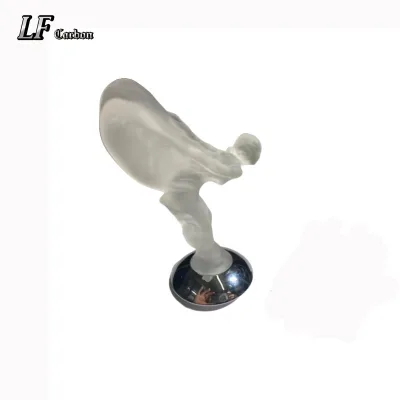
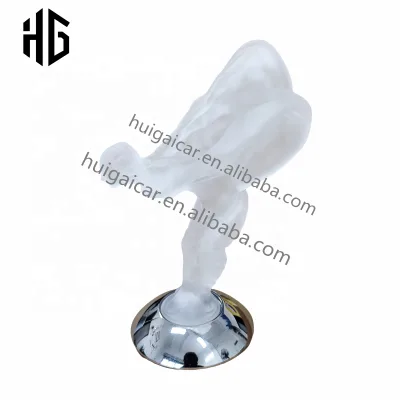
Compare 30 listings for lt 1 engine hood emblem from verified Chinese suppliers. Buyers can evaluate ABS and plastic options for Land Rover Range Rover Evoque L538 and Rolls Royce with varying sizes and customization availability; compare the available evidence and request quotations based on your requirements.
Key considerations
Products List




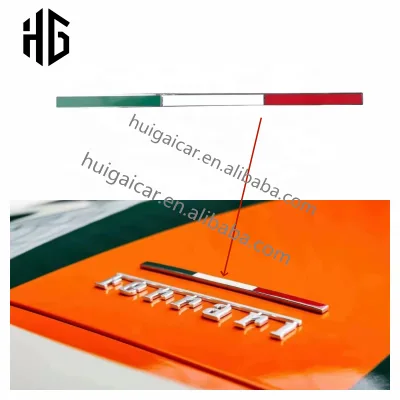
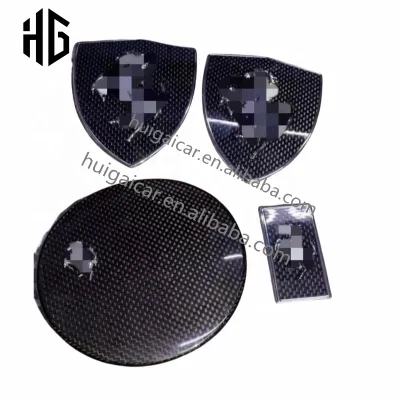
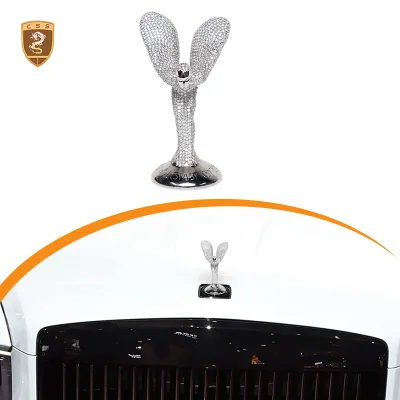



Comprehensive Sourcing Guide
lt 1 Engine Hood Emblem Sourcing Guide
Procuring an lt 1 engine hood emblem requires a strategic approach that balances aesthetic fidelity with mechanical durability. Buyers must recognize that these components serve as critical visual identifiers for vehicle branding, often featuring specific lettering or logo configurations. The sourcing process begins with a clear definition of the target vehicle platform, as fitment varies significantly across manufacturers. For instance, listings indicate compatibility with premium brands such as Land Rover and Rolls Royce, where precision in lettering height and spacing is paramount. Sourcing teams should prioritize suppliers who demonstrate experience with high-end automotive trim, ensuring that the emblem’s curvature and mounting points align perfectly with the hood’s contour. This attention to detail prevents gaps or misalignment that can detract from the vehicle’s overall presentation.
Beyond visual accuracy, the functional integrity of the emblem is equally important. These components must withstand environmental stressors, including UV exposure, temperature fluctuations, and road debris. Buyers should evaluate the material composition carefully, as options range from durable ABS plastic to polished metal finishes. The choice of material directly impacts longevity and resistance to corrosion or fading. Additionally, the installation method, whether adhesive-based or mechanical, influences the ease of replacement and long-term security. Understanding these technical nuances allows procurement professionals to select emblems that not only enhance the vehicle’s appearance but also maintain their structural integrity over time, reducing the need for frequent replacements and minimizing warranty claims.
Product Scope and Observed Listing Signals
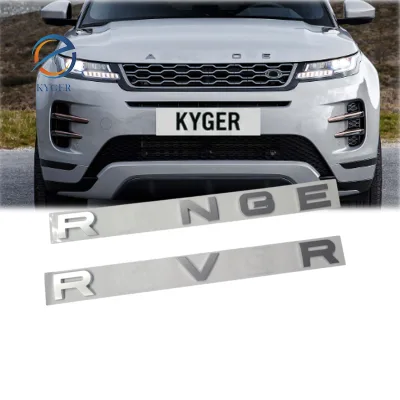
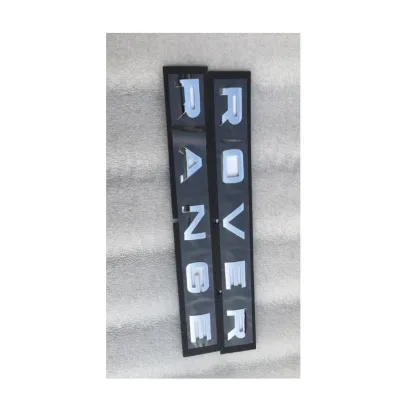
The current market for engine hood emblems displays a diverse range of product types, including small body stickers, annual inspection protection decals, and surface stickers for interior applications. Listings often highlight customization options, allowing buyers to tailor the emblem to specific branding requirements or repair needs. For example, some products are explicitly designed as modification stickers or logo replacements, catering to enthusiasts seeking to update their vehicle’s aesthetic. The observed price range spans from low-cost decals to premium emblems, reflecting variations in material quality, brand authenticity, and manufacturing complexity. Buyers should note that while some listings offer generic solutions, others provide specialized parts for specific models, such as the Land Rover Range Rover Evoque, ensuring precise fitment and brand consistency.
Observing listing signals also reveals important details about packaging and origin. Many suppliers ship products in carton packaging, with dimensions varying based on the emblem’s size and protective requirements. Origin locations, such as Guangdong and Beijing in China, indicate established manufacturing hubs with expertise in automotive trim production. Buyers should pay attention to the stated condition of the product, with most listings offering new items that have undergone professional testing. Additionally, the presence of reference numbers, such as LR026394, aids in accurate part identification and cross-referencing with OEM specifications. These signals help buyers assess the reliability and specificity of the supplier’s offerings, ensuring that the selected emblem meets both functional and aesthetic expectations.
Technical Specifications to Verify
Verifying technical specifications is crucial to ensure that the engine hood emblem fits the target vehicle and meets performance standards. Buyers should confirm the exact dimensions of the emblem, as listings may provide varying measurements such as 6.2 inches by 1 inch or 1.5 inches tall by 5.5 inches long. These dimensions must align with the vehicle’s hood design to ensure proper placement and visual balance. Additionally, the material composition, whether ABS plastic or other polymers, should be verified for durability and resistance to environmental factors. The installation type, whether paste-on or mechanical, also requires confirmation to ensure compatibility with the vehicle’s surface and mounting points. Buyers should request detailed specifications from suppliers to avoid mismatches that could lead to installation difficulties or aesthetic flaws.
Furthermore, the weight and packaging dimensions of the emblem are important for logistics and handling. Listings may indicate single package sizes ranging from compact dimensions to larger cartons, depending on the product’s protective requirements. Buyers should also verify the gross weight of the item, as this impacts shipping costs and handling procedures. Quality assurance claims, such as 100% professional testing or high-quality standards, should be substantiated with evidence or certifications. Additionally, the warranty period, often stated as one year or 12 months, provides insight into the supplier’s confidence in the product’s longevity. By thoroughly verifying these technical details, buyers can make informed decisions that minimize risks and ensure the emblem performs as expected in real-world conditions.
Compliance and Safety Documentation
Compliance and safety documentation are essential components of the procurement process for engine hood emblems. Buyers should verify that suppliers hold relevant certifications, such as ISO9001, which indicates adherence to quality management standards. These certifications provide assurance that the manufacturing processes are consistent and reliable, reducing the risk of defects or inconsistencies in the final product. Additionally, buyers should inquire about any specific safety standards or testing protocols that the emblems have undergone, particularly regarding adhesion strength and material safety. While some listings may mention general quality claims, concrete documentation offers greater confidence in the product’s reliability and performance.
In addition to certifications, buyers should review the supplier’s quality control procedures and warranty terms. A clear warranty policy, such as a one-year coverage, demonstrates the supplier’s commitment to product quality and customer satisfaction. Buyers should also ensure that the emblems comply with local regulations regarding vehicle modifications and safety standards. This is particularly important for emblems that may affect visibility or aerodynamics. By prioritizing suppliers with robust compliance frameworks and transparent documentation, buyers can mitigate risks associated with non-conforming products and ensure that the emblems meet all necessary regulatory and safety requirements.
Cost Drivers and Commercial Terms
Understanding the cost drivers and commercial terms is vital for effective budgeting and negotiation when sourcing engine hood emblems. The price of these components is influenced by factors such as material quality, customization requirements, and brand authenticity. Premium materials like ABS plastic or polished finishes typically command higher prices due to their durability and aesthetic appeal. Customization options, such as specific lettering or logo designs, may also increase costs due to the additional manufacturing steps involved. Buyers should request detailed quotes that break down these costs to identify areas for potential savings or value addition. Additionally, the minimum order quantity (MOQ) can impact pricing, with larger orders often benefiting from economies of scale.
Commercial terms, including payment methods and delivery times, also play a significant role in the procurement process. Suppliers may offer various payment options, such as TT, Western Union, PayPal, or Trade Assurance, each with different implications for security and convenience. Delivery times, ranging from one to seven days, affect inventory management and project timelines. Buyers should negotiate terms that align with their operational needs, ensuring timely delivery and secure payment processes. By carefully evaluating these cost drivers and commercial terms, buyers can optimize their procurement strategy, balancing cost efficiency with quality and reliability to achieve the best value for their investment.
Supplier Qualification and Quality Control
Supplier qualification and quality control are critical steps in ensuring the reliability and consistency of engine hood emblems. Buyers should assess suppliers based on their production capabilities, quality management systems, and track record in the automotive industry. Suppliers with established expertise in manufacturing automotive trim, particularly for premium brands, are more likely to deliver high-quality products that meet exacting standards. Buyers should request samples to evaluate the emblem’s fit, finish, and material quality before committing to larger orders. Additionally, verifying the supplier’s quality control processes, such as 100% professional testing or high-quality inspections, provides assurance that each unit meets the specified requirements.
Furthermore, buyers should evaluate the supplier’s customer service and support capabilities, including their responsiveness to inquiries and ability to handle issues or returns. A supplier with a clear warranty policy and efficient after-sales support can mitigate risks associated with product defects or installation challenges. Buyers should also consider the supplier’s flexibility in accommodating customization requests and their ability to scale production to meet demand. By thoroughly qualifying suppliers and implementing robust quality control measures, buyers can build a reliable supply chain that delivers consistent, high-quality engine hood emblems, supporting their brand integrity and customer satisfaction.
Long-Term Procurement Checks
Long-term procurement checks are essential for maintaining the quality and reliability of engine hood emblems over time. Buyers should establish regular review processes to assess supplier performance, including metrics such as on-time delivery, product quality, and responsiveness to issues. These checks help identify potential problems early, allowing for corrective actions before they impact operations. Additionally, buyers should monitor market trends and technological advancements in emblem manufacturing to ensure that their sourcing strategy remains competitive and aligned with industry best practices. Staying informed about new materials, designs, and compliance requirements enables buyers to make proactive adjustments to their procurement processes.
Furthermore, buyers should maintain open communication with suppliers to foster a collaborative relationship that supports continuous improvement. Regular feedback sessions and performance reviews can help identify areas for enhancement and strengthen the partnership. Buyers should also consider diversifying their supplier base to mitigate risks associated with single-source dependencies. By implementing long-term procurement checks and maintaining a strategic approach to supplier management, buyers can ensure a steady supply of high-quality engine hood emblems, supporting their vehicle maintenance and branding objectives effectively.
FAQs
What material is used for the hood emblem?
The hood emblem is constructed from ABS plastic to ensure durability and resistance to weather conditions. This material choice provides a sturdy finish suitable for vehicle exteriors while maintaining the required shape and structural integrity for long-term use on the car body.
Can I customize the sticker type for my vehicle?
Yes, customization is available for this product to meet specific vehicle requirements. Buyers can select from various sticker types including body stickers, inspection protection stickers, and surface stickers to ensure the emblem fits the intended application on the car perfectly.
Which car models are compatible with this emblem?
This emblem is designed specifically for Land Rover models, including the Range Rover Evoque L538. It serves as a replacement or repair part for the front position, ensuring a precise fit for owners looking to restore or upgrade their vehicle's exterior appearance.
How long does delivery take for this product?
Delivery time ranges from one to three days for standard orders. This fast turnaround allows buyers to receive their new hood emblems quickly, ensuring minimal downtime for vehicle repairs or modifications while maintaining the high-quality standards expected by professional users.
What is the minimum order quantity for this item?
The minimum order quantity is one set, allowing buyers to purchase single items without bulk commitments. This flexible MOQ supports both individual repairs and small-scale procurement needs, making it accessible for various buyers regardless of their immediate volume requirements.
Does the product come with a warranty?
Yes, the product includes a twelve-month warranty to guarantee quality and performance. This coverage ensures that buyers are protected against defects, providing peace of mind when investing in replacement parts for their vehicles and confirming the reliability of the manufacturer.
What certifications does the manufacturer hold?
The manufacturer holds ISO9001 certification, indicating adherence to international quality management standards. This certification ensures that production processes meet rigorous criteria for consistency and quality, giving buyers confidence in the reliability and safety of the automotive parts they purchase.